.png)
.png)
.png)
Fairness in Leadership: Knowing When to Ask and When to Correct
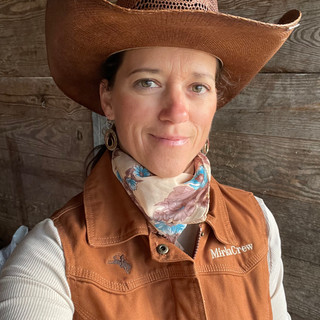
During my recent seven-day teaching trip through Indiana and Wisconsin, one topic seemed to come up in every clinic and conversation: fairness in leadership.
Fairness applies to both us and the horse. As leaders, our goal is to create a healthy balance of rapport and respect. When that balance exists, communication becomes clearer, learning becomes easier, and confidence begins to grow.
When teaching a horse something new, I think about the process in two distinct stages: the Teaching Stage and the Refining Stage.
The Teaching Stage
When introducing a new lesson, our responsibility is simple: ask slowly, wait for a response, and reinforce fairly if needed.
I prefer to begin with the lightest pressure possible and only increase enough to motivate the horse—not to nag him. Often, I'll use a whip rhythmically so nothing comes as a surprise. The horse has time to process the request and search for the answer.
Fairness is also demonstrated in the release.
The moment a horse begins thinking in the right direction, we should acknowledge that effort. Often, the first sign isn't movement of the feet at all—it's a subtle shift of weight or a change in posture. Those moments matter. Recognizing them helps the horse understand that he's on the right track.
Once the horse understands the basic direction of the lesson, we can begin improving the quality of the response by focusing on:
Responsiveness
Relaxation and softness
Rhythm and flow
Balance and posture
Harmony often develops when we match the horse's rhythm with our own movement—or help the horse match ours. When horse and rider find that shared rhythm, communication becomes much more fluid.

The Refining Stage
Once the horse understands the lesson, we can begin refining the quality of the response.
This is where many people unintentionally become unclear. There must be a noticeable difference between asking the horse to do something and correcting a mistake.
Many people only ask, or they only correct. As a result, the horse never learns the difference between the two.
For example:
Am I asking my horse to back up?
Or am I correcting the fact that he leaked forward during a sidepass and shouldn't have?Those are two very different conversations.
To be fair, we must know whether our horse is still learning or whether he already understands the lesson. If the horse is still learning, our job is to teach. If he understands, our job is to hold him accountable to that understanding.
Clear communication creates confidence.
Unclear communication creates confusion.
The Heart of Fair Leadership
Fairness isn't simply about how much pressure we use. It's about being clear, consistent, and helping the horse understand exactly what we mean. When we distinguish between teaching and refining, when we reward understanding and fairly address mistakes, we create an environment where the horse can succeed. Good leadership is not about being softer or stronger. It's about being fair.


If you’re searching for games from classic cartoon shows, this is an interesting resource to explore. The collection covers Cartoon Network Games, Disney titles, Nickelodeon games, and other animated series from different eras.